Touch Deprivation and Massage in the time of Coronavirus
This post is from January 14, 2021. Offers, prices and policies may have changed. See current prices or text us at 802-355-5585.
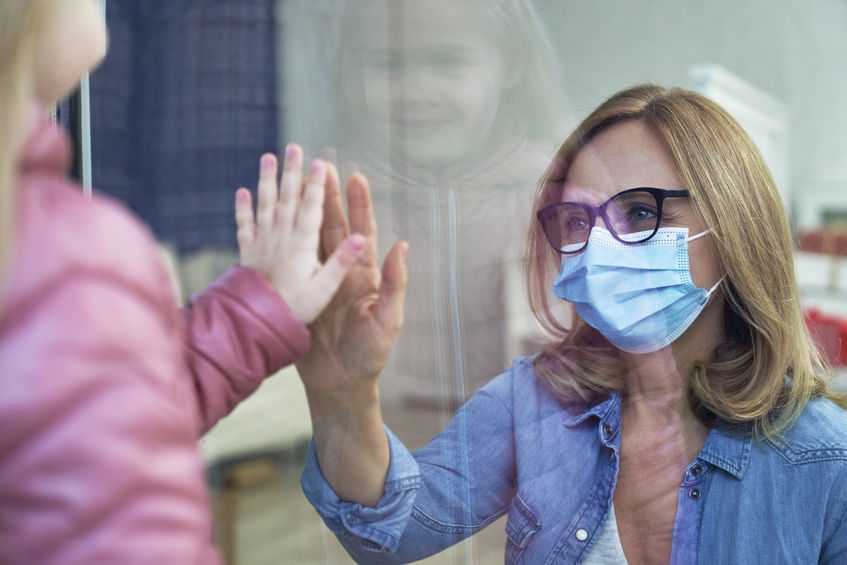
The Coronavirus pandemic has had so many consequences, both seen and unseen. One major consequence is that we’ve all been instructed to keep our distance, greatly reducing the amount of physical contact we have in our lives. Remember how, early on in the pandemic, we tapped elbows in greeting? Even that didn’t last long, as we’ve been told that 6 feet was the minimum distance we needed to be safe. Family members who don’t live together ache to hug their loved ones. Friends greet each other with a distant nod instead of a handshake or pat on the back.
All of this is creating a sort of touch deprivation, which is in fact a real condition. Touch is one of the most important ways in which we connect. According to an article by the Texas Medical Center, touch deprivation results in a slew of negative mental and physical effects, including increased stress, loneliness, depression and anxiety. As a result, the sympathetic nervous system becomes elevated and the body releases the hormone cortisol, which can increase heart rate, blood pressure and muscle tension as well as weaken the immune system. Some people may even begin to crave touch, as it’s one of the most crucial nonverbal behaviors, especially for the elderly.
On the flip side, a hug or friendly touch causes the body to release the “feel-good” neuropeptide oxytocin. Even a 20-second hug boosts oxytocin levels. Oxytocin increases our sense of trust, emotional bonding, and social connection, improve our heart functioning, and reduces our sense of fear and anxiety. It also helps with our digestion and sleep. Studies have also shown that hugging even strengthens the immune system. Imagine that.
So what can be done while we’re still following social distancing protocols?
Getting a massage
A great way to alleviate touch deprivation is through massage. A massage research study called, “Cortisol decreases and serotonin and dopamine increase following massage therapy,“ published in the International Journal of Neuroscience, shows that massage results in stimulation of the parasympathetic nervous system. This causes a decrease in the stress hormones adrenaline, noradrenaline, and cortisol. There is also an increase in the neurotransmitters serotonin and dopamine. These neurotransmitters have been linked to emotional stability, the experience of pleasure, increased motivation, and a general sense of well-being.
In short, getting a massage allows the body and mind to relax. The experienced touch of the therapist helps shift the body’s functioning from sympathetic (“fight or flight”) to parasympathetic (“rest and digest”) nervous system, reducing the level of stress and its associated symptoms.
There are other reasons to get a massage during this challenging time. In addition to touch deprivation, the pandemic has forced us to come up with new ways of relieving stress through physical activity. People are turning to home exercise machines and online workout videos. Parks have seen an increase in people hiking, biking, and walking. For many, these new workouts are causing soreness in seldom-used muscles.
There are also many workers who’ve begun a new chapter of their lives - working from home. Recently, clients coming in for massages have reported how uncomfortable they’ve been while working at their dining room tables, and their need to upgrade their home office space for longer-term use.
Massage can relieve the muscle tension due to poor posture and all those new-found physical activities.
As massage therapists, we’ve known the benefit of touch intimately. We watch as our client’s breathing shifts, deepening, and lengthening. We can feel muscles soften under our hands. The relief from stress and body aches is apparent in our clients even before they get off the table.
Now that we can safely open our practices again, following the Covid safety protocols of sterilization and mask-wearing, we are seeing more stressed clients who are basking in the effects of touch. Even behind their masks, we know they’re smiling. We can feel it in their presence and see it in their eyes.
Touch within our “pods”
Many of us have defined our “pods”, the small group with whom we feel comfortable. These may be people we live with, or may expand to include a few close, trusted friends who are following safety guidelines themselves. Be sure to reach out, literally, to those in your pod... hug, lean in on the sofa during movie watching, or even trade a gentle back rub.
At home with our pets
Not only do we make our dogs' tails wag and our cats’ purr when we pet our animal friends, we too benefit from the positive effects of touch.
Scientists at Washington State University started a program to help students relieve some of their academic stress. The students interacted with cats and dogs, and their cortisol levels were measured. As little as 10 minutes of interaction showed evidence of a significant impact in reducing cortisol levels. This type of “pet therapy” has been repeated at campuses around the country, during final exams, or even on a weekly basis.
Snuggling your pet while watching tv, even giving a little scratch behind the ears, can do wonders in helping you feel more calm and grounded - and make for a very happy pet.
The power of touch
As hard as it is to imagine now, this time will eventually come to an end. We will again welcome each other with hugs and handshakes. And very likely, we will come to appreciate the importance of touch in our lives. Until that time, stay strong and, as best you can, stay connected.
By Gila Koch, Massage Therapist