Massage for Workout Recovery: What the Research Really Says
Whether you're training for the Vermont City Marathon, skinning up Mount Mansfield or just getting back to the gym, there's a familiar ache that shows up a day or two after a hard workout. That's delayed onset muscle soreness, or DOMS, and it's one of the most common reasons athletes come to see us at the studio.
After more than 30 years of massage therapy, I've seen how much better people move and feel after a good recovery session. The research is catching up with what therapists have long noticed, and it also clears up a few myths.
Massage really does help with soreness and fatigue
A large 2018 review in Frontiers in Physiology compared the most popular recovery methods: massage, compression garments, cold water, active recovery, stretching and more. Massage came out on top for reducing both muscle soreness and the feeling of fatigue after exercise. The researchers also found it was among the most effective methods for lowering markers of muscle damage and inflammation.
Another study, from McMaster University, took small muscle samples from people who had exercised to exhaustion. Just 10 minutes of massage reduced inflammation signals in the muscle and switched on genes that help muscle cells build new mitochondria, the "power plants" that fuel them.
What massage doesn't do
You may have heard that massage "flushes out lactic acid." It's one of the most repeated ideas in sports, but it isn't true. Researchers at Queen's University found that massage doesn't speed up lactic acid removal, and your body clears it on its own within an hour or so of exercise anyway.
It's also worth being honest that massage won't directly make you stronger or faster. A 2020 review of sports massage studies found no consistent effect on strength, sprint, jump or endurance performance. What it does is help you recover: less soreness, less fatigue, and a modest gain in flexibility. That means you can get back to training feeling better.
When to book
- After a hard effort: within a few hours to a day or two is ideal. Studies show benefits for soreness from right after exercise up to several days later.
- Before a race or big event: keep it lighter and earlier, a few days out, so your muscles feel loose without being tender on the day.
- During heavy training: a regular session every two to four weeks helps you stay ahead of tightness, rather than chasing it.
What kind of massage?
Recovery work doesn't have to be painful to be effective. Sports massage focuses on the muscles you use most, using a mix of deep tissue, stretching and slower, broader strokes to ease soreness. Deep tissue can help with stubborn tight spots, and Swedish massage is a good choice when you simply need to recover and unwind. We'll ask about your training and adjust the pressure as we go.
Several of us are athletes ourselves. Youness is a fitness trainer and competitive bodybuilder with advanced training in orthopedic and sports massage, and Elias spent his college years on UVM's climbing team. Our team averages about 20 years of experience, so whether you're a weekend hiker or training for your next race, you're in good hands.
A note on injuries
Massage is great for everyday soreness and tightness. If you have sharp pain, swelling, a pulled muscle or a possible injury, check in with your doctor or physical therapist first. We're happy to work alongside them.
Ready to recover? Book a sports or deep tissue massage online, or text us at 802-355-5585 if you're not sure which therapist is the best fit. We're at the Chace Mill in Burlington, with plenty of free parking.
— Rod
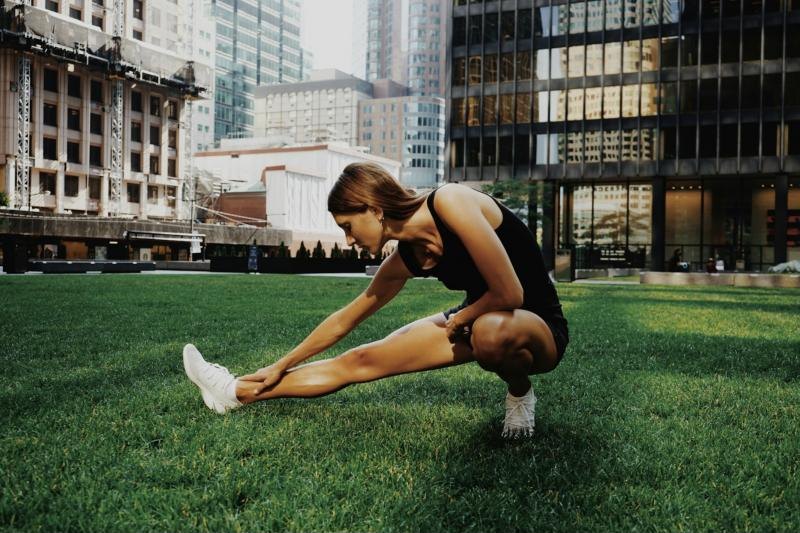
Photo by Jane Palash on Unsplash.